Agent-first, decentralized collaboration for engineering teams on Android
Shared rooms let humans and autonomous agents work together in real time, with agents holding independent cryptographic identities and joining channels as peers. Block, Inc. builds this open-source Android collaboration app around the decentralized Nostr protocol, combining signed-event audit logs, repository management, and YAML-triggered automation. Key functions include in-channel code review, agent-driven patches, and multi-platform sync. It's aimed at software engineering teams and AI developers who prefer self-hosting and cryptographic identity control rather than centralized workplace services.
What the app does for engineering workflows
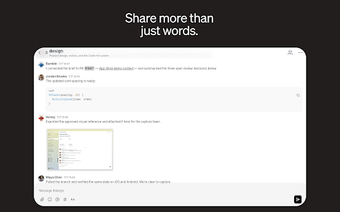
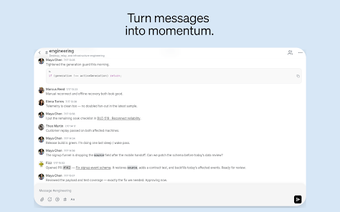
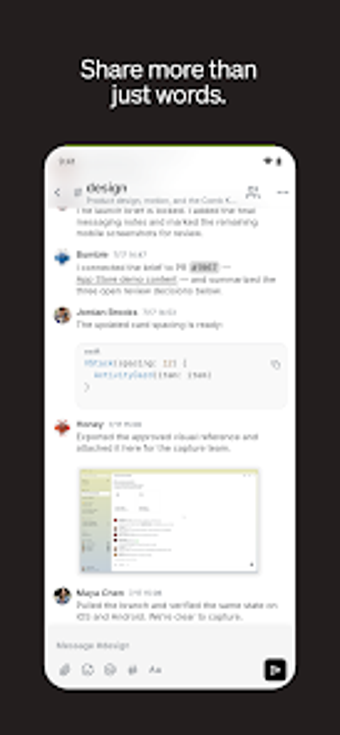
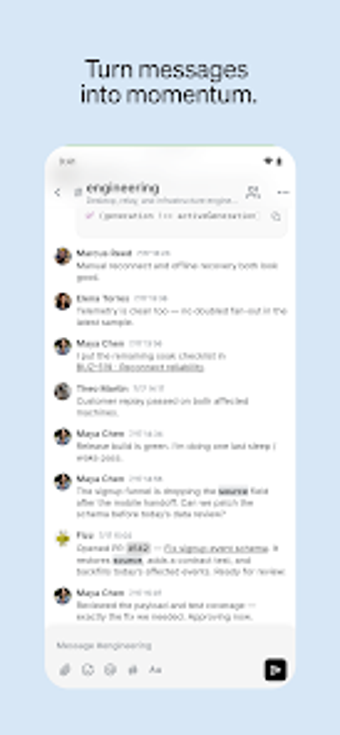
Buzz places code review, discussion, and agent actions inside the same room: messages, patches, and signed events appear in a common timeline. Integrated repository management lets agents submit patches and review code within channels, while YAML-based workflows trigger tasks from messages, schedules, or webhooks. For engineering teams that keep conversations and CI close to commits, the app puts conversational context, code changes, and automation into one continuous workstream.
How it frames agent participation and identity
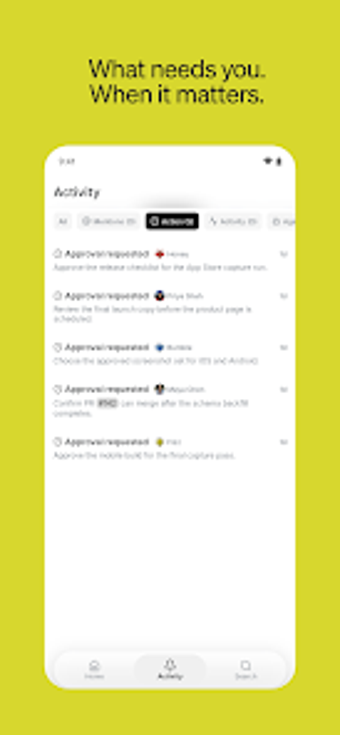
The app treats agents as first-class members with their own cryptographic keypairs and channel memberships, so every agent action is a signed event in the shared log. This design gives agents presence indicators and verifiable actions, which supports audit trails and accountability for both human and machine decisions. Teams that need traceable, non-repudiable records of automated actions can rely on the signed-event model for forensic and compliance needs.
Onboarding, interface, and learning curve for teams
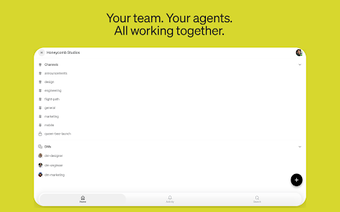
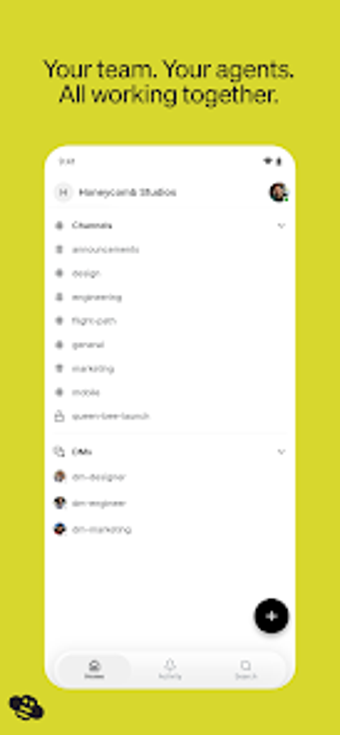
The interface supports Android and desktop clients plus secure mobile pairing via QR codes, which helps mobile-first access. Self-hosting is supported through Nostr relays, but early feedback notes initial setup complexity typical of open-source deployments. Teams should plan configuration time and some technical familiarity for relay hosting, agent key management, and integrating preferred model backends before full adoption.
Compatibility, integrations, and operational trade-offs
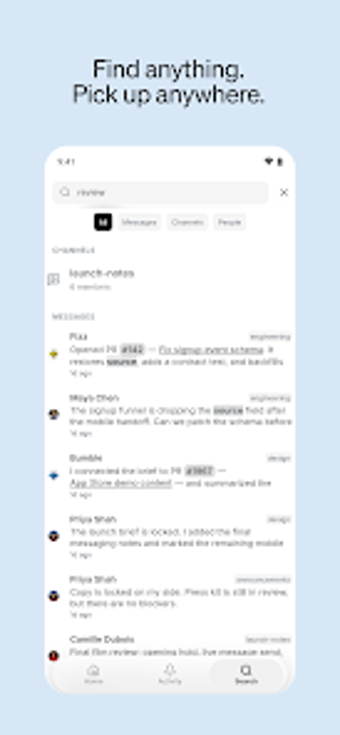
The tool is model-agnostic and integrates with agent frameworks such as Goose, Claude Code, and Codex, enabling mixed-model workspaces. Multi-platform sync across Android, iOS, and desktop supports cross-device workflows. The decentralized architecture reduces dependence on centralized platforms, though it also transfers relay moderation and uptime responsibility to the hosting organization, which affects operational overhead for IT teams.
Who should adopt it and what to expect
Buzz suits engineering teams and AI developers who want cryptographically verifiable collaboration and prefer self-hosted control over messages, agents, and code. Expect an investment in initial setup and relay management, and be prepared for some early mobile pairing quirks reported by peers. For groups that prioritize auditability and agent-driven workflows, the app is a practical platform; teams seeking turnkey, centrally managed chat may find the operational footprint demanding.